


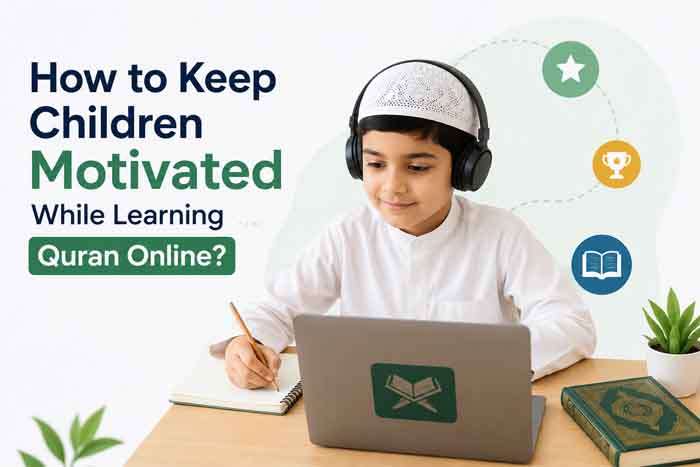
Introduction:
Learning the Quran is one of the most valuable gifts a parent can give their child, but keeping a child consistently engaged during online classes can be challenging. Unlike a traditional classroom filled with peers and physical presence, online learning requires a different kind of motivation one that combines structure, encouragement, and the right learning environment at home. For many parents, the biggest struggle isn't finding a tutor; it's keeping their child excited and consistent throughout the learning journey.
In this article, we'll explore practical, proven strategies to help children stay motivated while learning Quran online, and why enrolling with a Top Online Quran Academy can make a significant difference in how children experience and enjoy their learning journey.
Understanding Why Motivation Matters in Quran Learning
Unlike short-term academic subjects, learning the Quran whether it's Noorani Qaida, Tajweed, or Hifz is a long-term commitment that requires consistency over months and even years. Without genuine motivation, children may view classes as a chore rather than a meaningful part of their daily routine. This can lead to inconsistent attendance, poor retention, and eventually, loss of interest altogether.
Motivation isn't just about making classes fun; it's about helping children build a genuine emotional and spiritual connection with what they're learning. When a child understands the value and beauty of the Quran, rather than seeing it as an obligation, their engagement naturally improves.
Practical Strategies to Keep Children Motivated
1. Create a Consistent and Comfortable Learning Routine
Children thrive on routine. Setting a fixed time each day for Quran classes ideally when the child is alert and not overtired helps establish learning as a natural part of their daily schedule rather than an interruption. A quiet, comfortable, and distraction-free learning space also plays a major role in helping children focus and stay engaged throughout the session.
Avoiding scheduling classes right after school or right before bedtime, when children are typically tired, can significantly improve their attention span and enthusiasm during lessons.
2. Choose the Right Tutor for Your Child's Personality
Not every teaching style works for every child. Some children respond better to gentle, patient tutors, while others may need a more structured and disciplined approach. Working with an academy that offers Online Quran Learning Experts familiar with child psychology and different learning styles ensures your child is matched with a tutor who genuinely understands how to keep them engaged.
A tutor who builds a warm, encouraging relationship with the student often has a far greater impact on long-term motivation than one who simply focuses on lesson completion.
3. Celebrate Small Milestones
Children respond well to recognition and positive reinforcement. Celebrating small achievements completing a new Surah, mastering a Tajweed rule, or finishing a Qaida level helps children feel a sense of accomplishment. This doesn't need to involve elaborate rewards; simple praise, a small treat, or even a certificate can go a long way in reinforcing positive feelings toward learning.
Tracking progress visually, such as through a simple chart or checklist, also gives children a tangible sense of how far they've come, which boosts motivation to keep going.
4. Make Learning Interactive, Not Just Repetitive
Simply reciting verses repeatedly can become monotonous for young learners. Incorporating interactive elements such as storytelling around Quranic lessons, explaining the meaning behind verses in simple language, or connecting lessons to real-life examples helps children stay mentally engaged rather than passively repeating words they don't fully understand.
Academies that focus on Affordable Quran Learning Classes with modern, child-friendly teaching methods often blend traditional recitation with interactive explanation, making lessons feel more meaningful and less repetitive.
5. Involve Parents in the Learning Journey
Parental involvement plays a crucial role in a child's motivation. Simply sitting nearby during a class, asking the child to recite what they learned afterward, or praying together as a family reinforces the importance of the lesson beyond just the classroom. Children are far more likely to stay motivated when they see that their parents value and prioritize their Quran education.
Regularly communicating with the child's tutor about progress and challenges also allows parents to reinforce learning at home in a way that complements the online classes.
6. Set Realistic and Achievable Goals
Overloading a child with unrealistic expectations, such as memorizing large portions of the Quran too quickly, can lead to frustration and burnout. Instead, setting small, achievable goals such as mastering one page of Tajweed rules per week helps children build confidence gradually while maintaining steady progress.
A good tutor will naturally adjust the pace based on the child's ability, ensuring learning remains challenging but not overwhelming.
7. Use Positive Reinforcement Instead of Pressure
Pressuring a child to perform, especially through comparison with siblings or classmates, often backfires and creates anxiety around learning. Instead, focusing on effort and improvement rather than perfection helps children develop a healthier, more positive relationship with their Quran studies.
Encouraging words like recognizing effort even when a lesson doesn't go perfectly can help children feel safe to make mistakes and continue trying, rather than fearing failure.
8. Keep Sessions Age-Appropriate
Younger children typically have shorter attention spans, so lesson length and structure should be adjusted accordingly. A Top Online Quran Academy will typically offer flexible session lengths often around 30 minutes for younger learners ensuring classes remain engaging without becoming exhausting.
Breaking lessons into smaller segments, with brief pauses for questions or short breaks, can also help maintain a child's focus throughout the session.
The Role of Technology in Keeping Children Engaged
Online learning platforms offer unique advantages when it comes to maintaining a child's interest. Many modern Quran academies use interactive digital tools, visual aids, and engaging platforms that make lessons feel more dynamic compared to traditional rote memorization methods.
Features such as screen sharing for visual Tajweed demonstrations, digital reward systems, and progress tracking dashboards can make the learning experience feel more like an engaging activity rather than a strict obligation. Choosing a platform that incorporates these elements thoughtfully can significantly improve a child's enthusiasm for online Quran classes.
Why Choosing the Right Academy Makes a Difference ?
Not all online Quran academies offer the same quality of teaching or student engagement. Parents should look for academies that prioritize qualified, experienced tutors, flexible scheduling, and a genuine focus on building a child's love for the Quran rather than simply completing lesson plans.
Platforms like ParhQuran offer structured courses ranging from Noorani Qaida to Hifz-e-Quran, taught by experienced tutors who understand how to keep young learners motivated and engaged throughout their learning journey. With flexible timings, both male and female tutor options, and a strong focus on proper Tajweed and pronunciation, academies like this help create a supportive environment where children can thrive.
Choosing Affordable Quran Learning Classes that don't compromise on teaching quality ensures that Quran education remains accessible to families while still providing the structured, engaging experience children need to stay motivated long-term.
Signs Your Child May Be Losing Motivation
It's important for parents to recognize early signs that a child's motivation may be declining, such as frequent complaints about attending class, reduced enthusiasm during lessons, or a noticeable drop in performance. Addressing these signs early whether by adjusting the class schedule, discussing concerns with the tutor, or reassessing lesson pacing can prevent long-term disengagement.
Open communication with both the child and the tutor is key to identifying the root cause, whether it's related to teaching style, lesson difficulty, or simply the need for a short break to recharge enthusiasm.
Frequently Asked Questions (FAQ)
Q1: At what age should children start learning Quran online?
Most academies recommend starting as early as 4 to 5 years old with basic Noorani Qaida lessons, gradually progressing to more advanced courses as the child grows. However, children can begin at any age depending on their readiness and interest.
Q2: How long should online Quran classes be for young children?
For younger children, sessions of around 30 minutes are typically most effective, as longer classes can lead to reduced focus and fatigue. Session length can be increased gradually as the child matures and builds stamina for learning.
Q3: How can I keep my child engaged if they lose interest quickly?
Incorporating short breaks, interactive teaching methods, and positive reinforcement can help maintain engagement. Choosing a tutor experienced in teaching young learners also makes a significant difference in keeping lessons enjoyable.
Q4: Should I sit in on my child's Quran classes?
While not always necessary, occasional parental involvement such as sitting nearby or reviewing lessons afterward reinforces the importance of learning and helps children feel supported throughout their journey.
Q5: What if my child's tutor isn't the right fit?
Most reputable academies allow parents to request a different tutor if the teaching style doesn't match their child's needs. Finding the right personality match between tutor and student is often key to maintaining long-term motivation.
Q6: How can online classes be as effective as in-person Quran learning?
With qualified tutors, interactive teaching tools, and consistent scheduling, online Quran classes can be just as effective as traditional in-person learning. Many academies also offer flexibility that traditional madrasas cannot, making consistent learning easier to maintain.
Conclusion
Keeping children motivated while learning Quran online requires a thoughtful combination of consistent routine, the right tutor match, positive reinforcement, and genuine parental involvement. By focusing on building a meaningful connection with the Quran rather than treating lessons as an obligation, parents can help their children develop a lasting love for learning that extends far beyond childhood.
Partnering with a Top Online Quran Academy that offers experienced Online Quran Learning Experts and Affordable Quran Learning Classes ensures children receive the structured, engaging support they need to stay motivated throughout their Quranic education journey turning what could feel like a routine task into a meaningful and rewarding experience for the whole family.
0 Comments