


Introduction
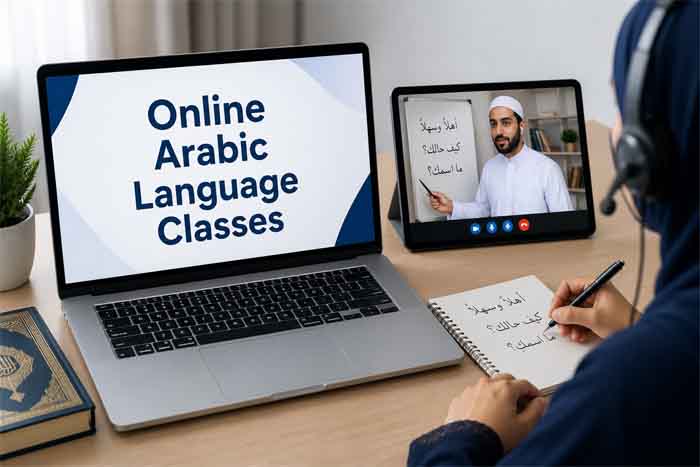
Learning Arabic has never been more accessible than it is today. With the rise of digital education, students no longer need to travel to a language center or wait for a fixed class schedule to start learning one of the world's most spoken languages. Online Arabic Language Classes have opened the door for learners of all ages and backgrounds to study Arabic from the comfort of their homes, at a pace that fits their own lifestyle. An Arabic Speaking Course allows students to build confidence in everyday communication while learning from experienced instructors.
Whether you're a beginner wanting to learn basic conversation, a professional needing Arabic for business, or someone studying the language for religious or cultural reasons, online learning offers a flexible and effective path to fluency.
Why Online Arabic Classes Are Gaining Popularity ?
Arabic is one of the most widely spoken languages in the world, used across the Middle East, North Africa, and by millions of people globally. As business, travel, and cultural connections with Arabic-speaking regions continue to grow, more people are looking for practical ways to learn the language without disrupting their daily routine.
Online Arabic Language Classes solve this problem directly. Instead of committing to a fixed physical schedule, students can choose class timings that work around their job, studies, or family responsibilities. This flexibility is one of the biggest reasons online learning has become the preferred choice for busy adults and students alike.
Types of Online Arabic Language Classes
Not all Arabic classes are the same, and choosing the right type depends on your personal goals.
Conversational Arabic Classes — Focused on everyday speaking skills, ideal for travelers, expats, or anyone wanting to communicate confidently in daily situations.
Modern Standard Arabic (MSA) Courses — Designed for students who want to read, write, and understand formal Arabic used in media, education, and official documents.
Quranic Arabic Classes — Tailored for learners who want to understand and recite the Quran with proper pronunciation and comprehension. These classes are ideal for students who want to Learn Quranic Arabic while strengthening their understanding of Quranic vocabulary and grammar.
Business Arabic Courses — Built for professionals who need Arabic for meetings, negotiations, and workplace communication in Arabic-speaking regions.
Kids' Arabic Classes — Interactive, engaging lessons designed specifically for young learners, often combining games and visuals to keep children interested.
Benefits of Learning Arabic Online
1. Flexible Scheduling
One of the biggest advantages of Online Arabic Language Classes is the ability to learn at any time that suits you. There's no need to commute or rearrange your entire day around a class, lessons fit into your schedule, not the other way around.
2. One-on-One or Small Group Learning
Many online platforms offer personalized, one-on-one sessions with native or highly trained Arabic instructors. This allows for focused attention, faster correction of mistakes, and a learning pace tailored to the individual student.
3. Access to Qualified Native Instructors
Online learning removes location barriers entirely. Students can learn directly from native Arabic speakers or certified instructors, regardless of where they live, something that isn't always possible with local, in-person options. Choosing a trusted Arabic Learning Academy ensures students receive structured lessons and expert guidance throughout their learning journey.
4. Interactive Learning Tools
Modern Online Arabic Language Classes often include digital tools such as voice recognition, interactive quizzes, recorded lessons, and progress tracking, making the learning experience more engaging and measurable than traditional classroom methods.
5. Cost-Effective Learning
Online classes often come at a lower cost compared to in-person tutoring or physical institutes, since there are no commuting costs or facility overheads involved. This makes consistent, long-term learning more affordable.
The Long-Term Value of Learning Arabic Online
Investing in Online Arabic Language Classes isn't just about learning a new language; it's about opening doors to new opportunities, whether that's career growth, deeper cultural understanding, religious study, or simply connecting with a wider part of the world. A well-structured Arabic Speaking Course helps learners build confidence in real-life communication, while those who wish to Learn Quranic Arabic can gain a deeper understanding of the Quran through proper pronunciation and comprehension. Enrolling in a trusted Arabic Learning Academy also provides students with qualified instructors, structured lessons, and continuous guidance. With consistent practice and the right instructor, online learning can deliver results just as strong, and often more flexible, than traditional classroom study.
Conclusion
Online Arabic Language Classes have made learning Arabic more accessible, flexible, and personalized than ever before. Whether your goal is everyday conversation, business communication, or understanding the Quran, choosing the right course and instructor makes all the difference. Taking the time to research properly and start with a trial class ensures a learning experience that truly fits your goals and schedule. By selecting the right program and remaining consistent in your studies, you can achieve long-term language proficiency while enjoying the convenience and flexibility that online learning offers.
FAQs
Q1: Are Online Arabic Language Classes effective for beginners?
Yes, most platforms design structured beginner courses that build foundational vocabulary, grammar, and pronunciation step by step.
Q2: How long does it take to become conversational in Arabic?
This depends on the learner's dedication and class frequency, but many students reach basic conversational ability within a few months of consistent practice.
Q3: Do online Arabic classes offer certification?
Many platforms do offer certificates upon course completion, which can be useful for academic or professional purposes. It's best to confirm this before enrolling.
Q4: Is one-on-one Arabic tutoring better than group classes?
One-on-one classes offer more personalized attention and faster progress, while group classes can be more affordable and offer peer interaction.
Q5: Can children learn Arabic effectively through online classes?
Yes, many platforms offer specially designed courses for children using interactive and engaging teaching methods suited to younger learners.
0 Comments